[ad_1]
Urban mobility concepts often struggle to move beyond the sketchbook. Whether it is the high-concept monorails of the mid-century or the sleek, data-driven “smart city” aesthetics of today, the distance between a visionary idea and a legitimate investment opportunity is usually measured in miles of red tape and billions of pounds in capital. For Line Mobility, a personal point-to-point transit system designed to fly over traffic, the challenge was not just about the engineering – it was about the brand.
Art&Graft stepped in as a creative partner to oversee the launch, taking the project from its early strategic roots into a complete visual campaign. Inheriting high-level strategic work from Fazer, the studio was tasked with bridging the gap between abstract thinking and tangible identity.
Bridging the Strategic Gap
The transition from high-level strategy to a living, breathing brand required a delicate balance of the familiar and the futuristic. When asked how they bridged this gap, Art&Graft explained:
“From the Art&Graft studio we worked closely with Line and Fazer to develop the overarching strategic concept of ‘The Future Now’. This set us up with a foundation from which to build the core design principles and prepared us for the challenge of visualising something that did not yet exist. Giving us a mental picture of what we were aiming at. Then from that point it was a visual process of taking familiar ‘now’ anchors (like shapes within logo forms or contemporary cityscapes) and injecting them with optimistic future-facing design and filmmaking cues.”
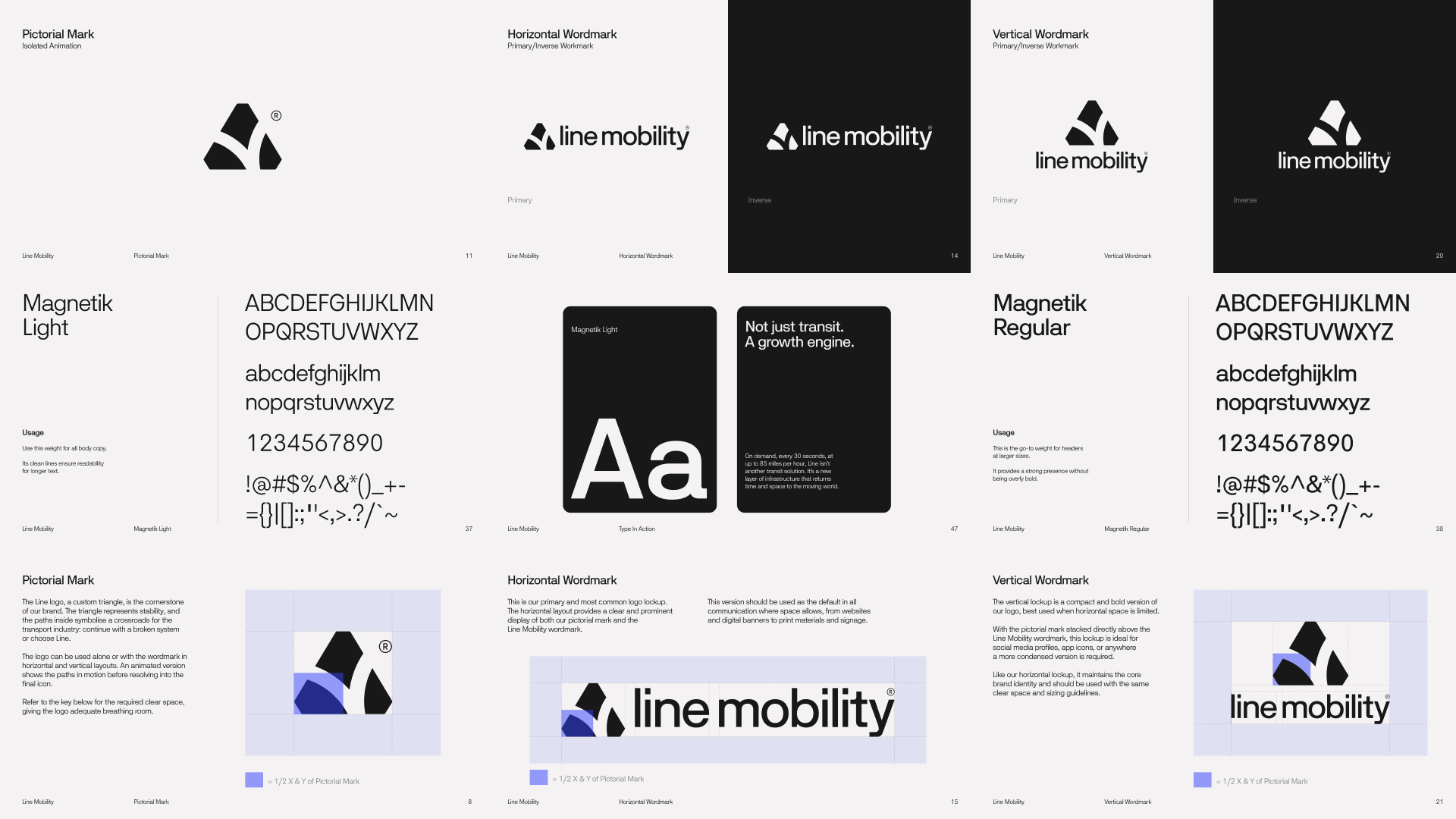
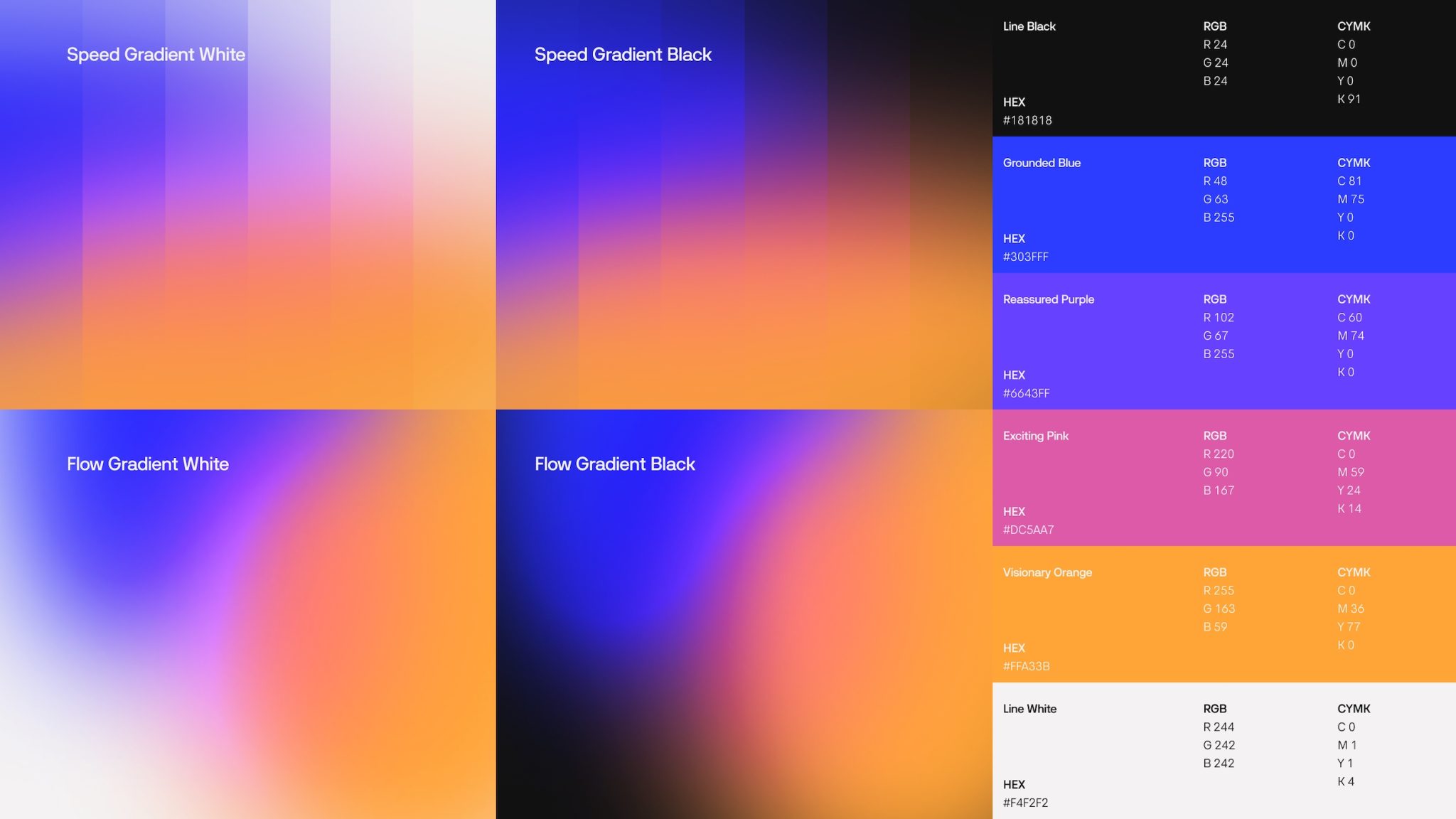
The result is a powerful, cohesive, and resonant visual identity, aligned with the strategic intent of ‘The Future Now’ – a concept that ensures the technology feels reachable rather than alien.
The Engineering of Trust
In a sector where “vapourware” is a common criticism, legitimacy is everything. Art&Graft avoided the trap of purely aspirational design by working as an extension of Line’s own engineering teams. By using detailed plans and production models shared directly by the engineers, the studio ensured that the elevated guideways seen in the 3D launch film were grounded in physical reality.
On the topic of internal workflow, the studio noted:
“With every project we see ourselves as an extension of our partner’s team – the workflow should feel seamless between us. Better creative work comes from that harmony between everyone involved. So for the specific example of the elevated guideways, we built our finalised assets using the detailed plans and production models shared with us from Line’s engineering teams. Passing files between us as if we shared a studio space.”
This collaboration allowed the UI/UX and 3D teams to maintain consistency across every touchpoint. While Art&Graft did not build the final app itself, they established the foundational design principles that allow future digital products to be created with confidence and cohesion. As the studio clarified regarding the app’s UX:
“It was on Art&Graft to set the foundational design strategy and principles for the Line Mobility brand identity. Although our studio team can move into UX spaces, we weren’t directly involved in the production of an app on this occasion… Art&Graft set the design strategy, built the brand and visual identity, created the fully 3D launch film and designed the website.”
A Visual Journey in Three Acts
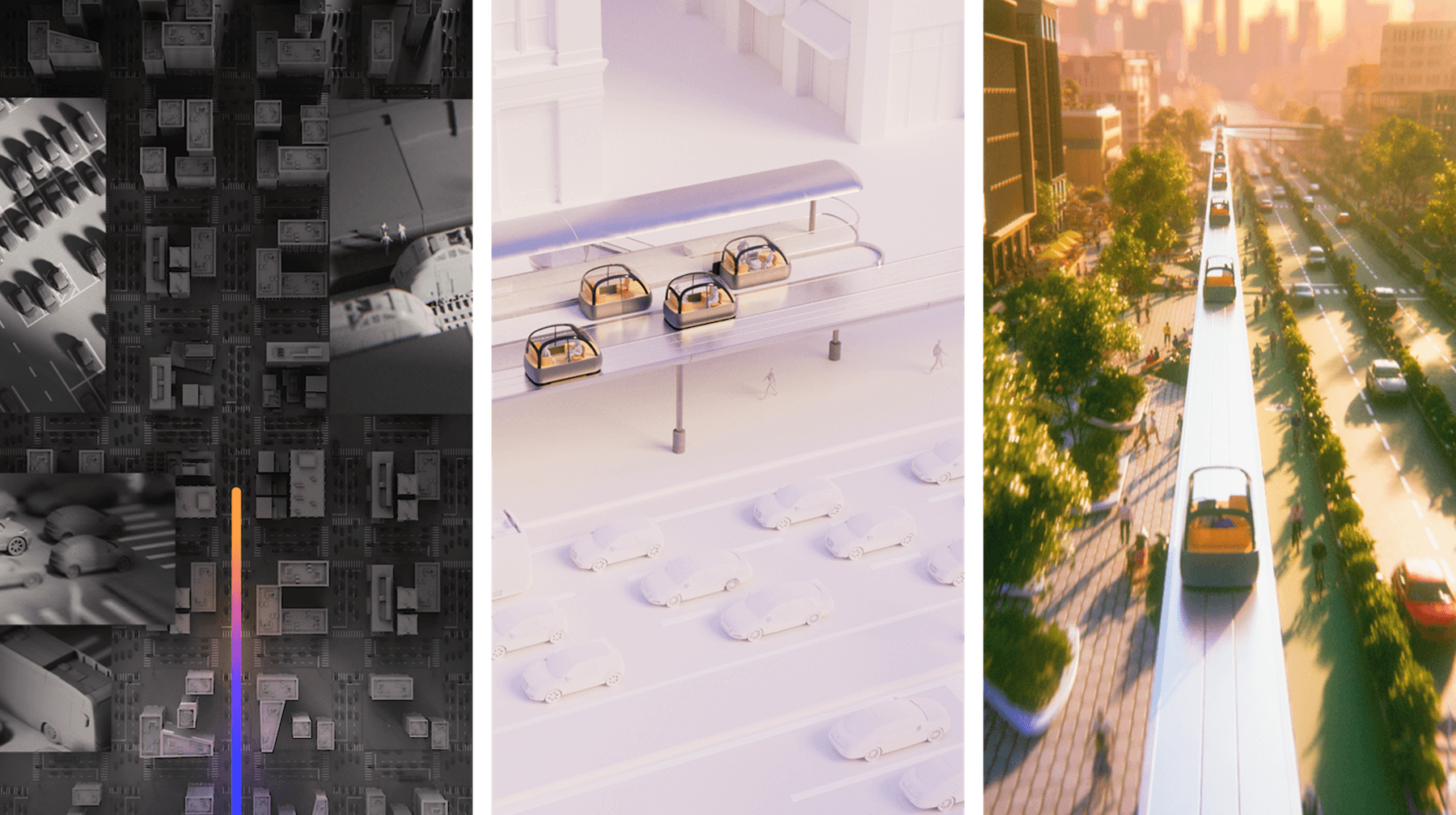
The visual narrative of the project is perhaps best captured in the 3D launch film, which follows a deliberate three-act structure. It begins with an abstract look at the gridlocks of the “old road,” using grey-scale cityscapes to represent current urban congestion. From there, it transitions into a cleaner phase that introduces the Line pods and guideways.
The final act brings the vision to life in full, sun-drenched colour, showing the technology making cities more liveable, sustainable, and people-centric. Balancing the need for legitimacy with the aspirational nature of the tech, the studio reflected:
“How to realise a brand that bottled the vision yet remained firmly rooted in trust? The simplest answer is that it’s the same approach for any brief… with intention and ambition we ask questions and explore the answers. Using this information to inform a strong concept based on the truth of the brand. Every day is a multitude of minute decisions across the team in the studio… all directed by the strategic intention of the core creative concept.”
By focusing on the truth of the brand and making thousands of minute decisions across colour, light, and composition, Art&Graft has delivered more than a brand bible. They have created a visual proof of concept that makes the impossible feel inevitable.



Become a Design Week member for £4/month or £40/year
Already a member? Sign in.
[ad_2]
Source link