[ad_1]
The lecturer and researcher has reclaimed a word historically used to vilify women: witch.
Dr Prudence Gibson, in the Faculty of Arts, Design & Architecture (ADA), has long had an affinity for nature.
Her work in the emerging field of plant humanities – the study of how plants remember, learn and communicate, and how this may affect human-plant relationships – is rooted in a childhood immersed in the Australian bush.
“I spent a lot of time with my cousins at their place in the country, surrounded by nature,” Prudence said.
Working at the intersection of art, philosophy and ecology, she examines how artists, writers and theorists can develop more respectful, imaginative ways of living with plants.
Cultivating a career
In her 20s, Prudence joined the Art Gallery of NSW as an Assistant Curator in the Australian Prints and Drawings department. The experience opened her to the world of art and creativity, and she’s never looked back.
Her next role was as a curator for the National Trust’s S.H. Ervin Gallery. Around this time, Prudence was awarded an Australia Council grant to write a book, resulting in The Rapture of Death.
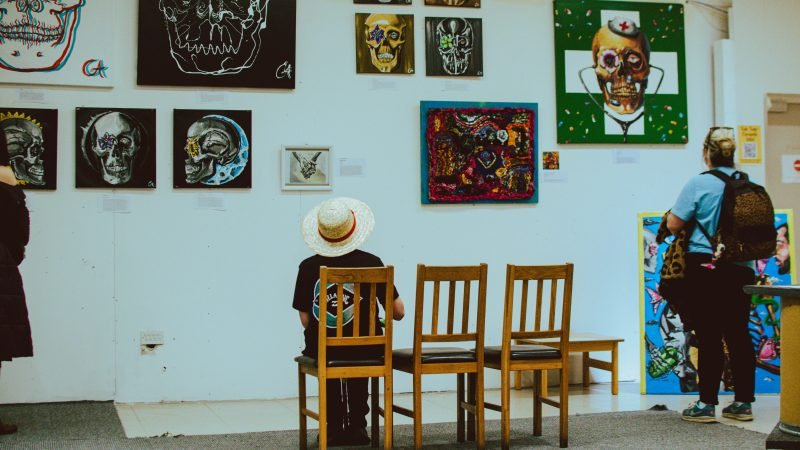
“The book is a philosophical inquiry into why there are so many ghosts, skulls and monsters in visual imagery, and then reflections on my own curiosity about death and deathly imagery in art,” Prudence said.
After completing the book, Prudence decided to pursue further academic work and intellectual feedback through a PhD in Creative Writing at UNSW.
Her PhD included chapters on magic, plants and Janet Laurence’s plant-based art, which inspired the work she now does in plant humanities.
Making magic
In 2019, Prudence gathered at her home with a group of friends on election night.
“We were devastated when we heard the news that Scott Morrison was becoming prime minister. We were all concerned about climate change and what his policies could mean for the environment.”
That night, they decided to gather some like-minded women to make the difference they wanted to see in the world.
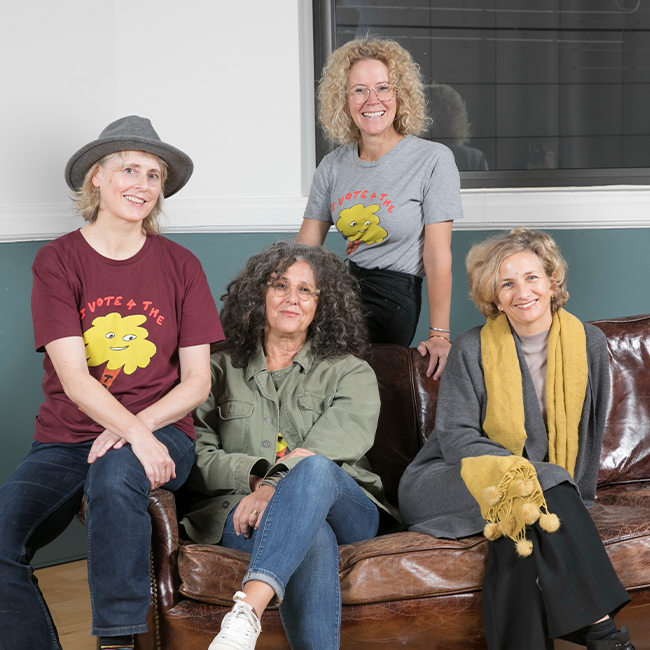
“We started a group which we now call the Dirt Witches,” Prudence said. “It’s a collective of artists, writers, curators and activists who are concerned about climate change. There are more than 100 women in the group, collaborating on activism and art.”
The Dirt Witches work on projects big and small, from sharing petitions and providing feedback on each other’s work, to staging activist processions and putting together art exhibitions.
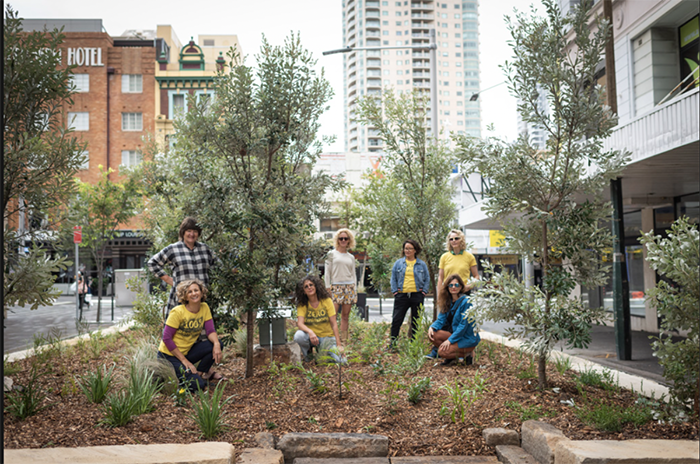
One of their biggest achievements was the establishment of the Barlow Street Forest, in Haymarket in Sydney’s CBD.
“A smaller group of the Dirt Witches that I am part of, known as the Scrub Collective, applied for funding from the City of Sydney to build a miniature forest in the middle of the city,” Prudence said.
“Clover Moore [Lord Mayor of Sydney] loved it so much she made it a permanent installation.”
The forest incorporates plants belonging to the critically endangered eastern suburbs banksia scrub and coastal swamp forests that once existed in inner and eastern Sydney. The Dirt Witches said it serves as a poetic reminder of the 5300 hectares of scrub that stretched between Botany Bay and North Head.
Putting pen to paper, again
The more time spent as a Dirt Witch, the more Prudence found herself returning to the figure of the witch – historically and in contemporary culture.
“I was researching a lot of material around the history of witches and why women are vilified as being witchlike,” Prudence said.
“It’s the concept of women of a certain age being despised for no longer being fertile, for being too loud and opinionated, and for not really caring about how people see us anymore.
“I was reconnecting with the idea that what a witch actually is, is just a menopausal woman.”
She soon heard of the Duchess of Northumberland’s poison garden – The Alnwick Garden in the UK.
Filled with about 100 species of toxic plants, the garden invites visitors to learn about the history of poison from guides who delve into high-profile poisoning cases and dark botanical lore.
“From there, I started looking at and growing the poisonous plants,” Prudence said. “I was fascinated by Plato’s concept of pharmakon – how a small dose of a plant can cure, but just a little too much can cause desperate, terrible horror.”
Then, in 2023, news broke that Erin Patterson had allegedly poisoned four members of her extended family – a case that captured Prudence’s attention.
“I followed Erin’s case closely as it unfolded, getting permission from the Supreme Court to access the ongoing trial,” Prudence said.
With all these ideas “bubbling away” in Prudence’s head, she decided it was time to start another book.
The forthcoming book, Just Poison Him, investigates 10 historical female poisoners – including Erin Patterson.
“Her case acts as the ‘bookend chapters’ in my book exploring women poisoners,” Prudence said.
Just Poison Him will be published in 2027.
What’s something about you that might surprise your colleagues?
I’ve taken up swimming laps at Wylie’s Baths in Coogee and my aim is to join a group of women who go ocean swimming. I’m pretty scared of sharks, so if I get out there, it will be a thing.
What’s the best piece of advice you have received?
To slow down … but I never take that advice.
What makes you happy?
Watching the plants in my garden grow.
What day in your life would you like to relive?
Visiting Alnwick Poison Garden in the north of England and interviewing all the quirky poison garden guides – they had some serious tales to tell.
What’s the best thing you’ve read in the last year?
I am completely besotted with Virginia Evans’s Correspondent, an epistolary novel with so much poignant beauty and humour it almost hurts.
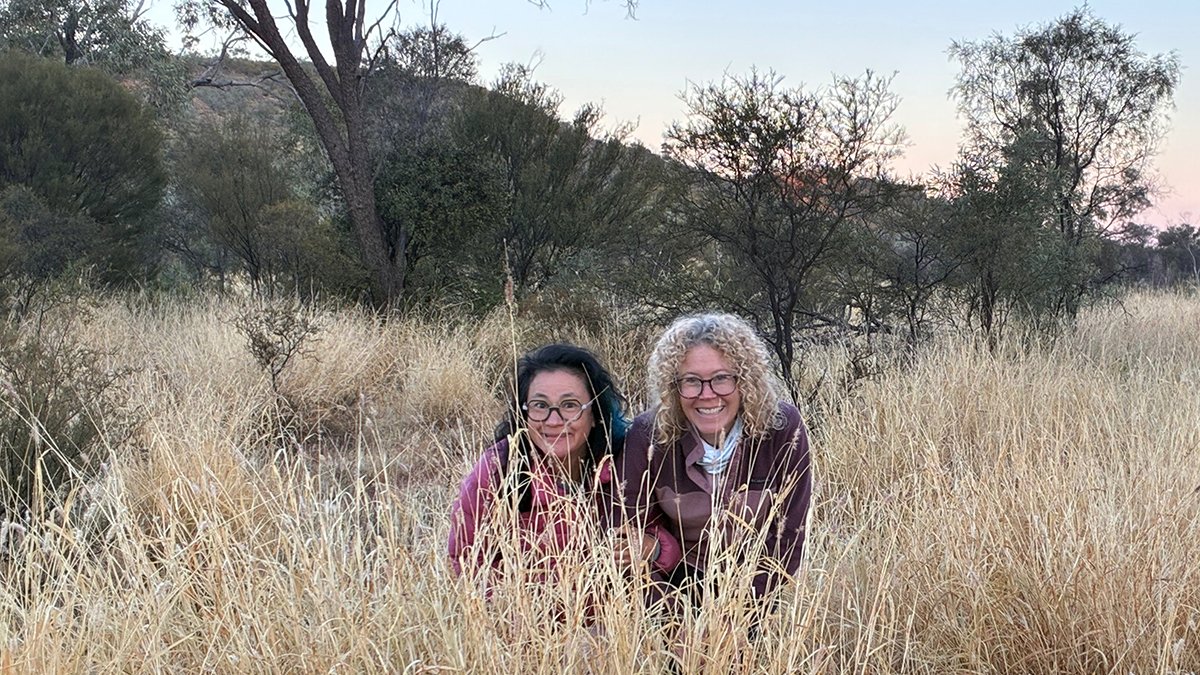
Main image: Members of the Dirt Witches Scrub Collective, artist Floria Tosca (left) and researcher/writer Prudence Gibson (right) in the field.
[ad_2]
Source link