[ad_1]
In Rome, the present, in art, is only the last layer of a millenary history, the most fragile and most at the mercy of the elements, the socio-economic ones of course. The most current trend is to spectacularise the past, as in the much-visited new Colosseum metro station where an everyday act such as taking the metro becomes an immersion among ancient artefacts made resplendent by futurist scenography. Up there On the surface, galleries are coming to terms with the crisis in the art market and, Contemporanea, the Roman Gallery Weekend, now in its third edition (15-17 May) becomes an act of collective and organised resistance to find new impetus and visibility. Thirty-two galleries are involved scattered throughout the various districts. A walk through gallery exhibitions and collateral events more or less connected to the official programme, a chaotic but truthful diary of the art scene in the capital.
The Breath of San Lorenzo
San Lorenzo is the district most linked to the contemporary also because it does not offer any particular attractions of other kinds, the historical memory of the place belongs to the Pastifico Cerere that for the occasion inaugurated Alberto Maggini’s exhibition, “ULTRA FLAT”, curated by Gianlorenzo Chiaraluce. The simulacrum of a beauty salon is the backdrop for noisy and intriguing works that speak of metamorphosis, in which beauty rituals become the device for revealing the connections between culture and power, prices from one thousand to three thousand euro. The dinner in honour of the artist was hosted by Rocco Panetta andGanesh Poggi Madarena heirs to a history that has always seen Urbe collectors open their homes to celebrate artists.
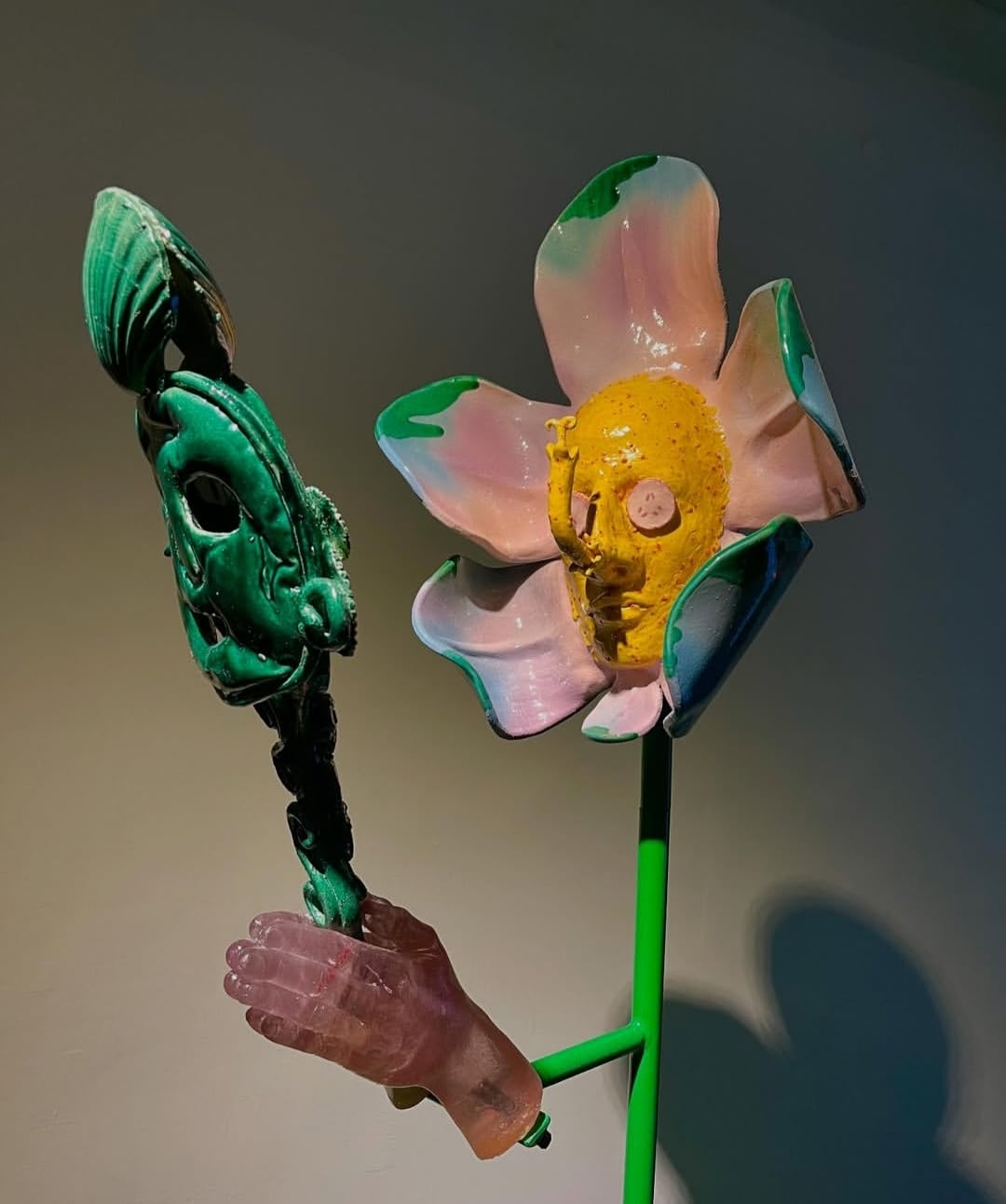
Among the many galleries that have chosen San Lorenzo as their home, Matèria proposes a tri-personal exhibition, “Common Ground”, with artists all based in Rome:Josè Angelino, Fabio Barile and Stefano Canto, affordable prices between 1,500 and 8,000 euro. Also in San Lorenzo, another focal point of the weekend was the Soho House, which helped animate Contemporanea with talks and evening parties and hosted guests from out of town. Moving towards the centre, Tornabuoni proposed a carefully curated exhibition that showcased many protagonists of the second half of the 20th century: Carla Accardi, Gastone Novelli, Lucia Marcucci, Lamberto Pignotti and others, in dialogue not only through their works but also through the letters they exchanged: the focus is on visual poetry and here the works are in the range of EUR 2,000 to EUR 10,000, guest star Lucio Fontana is present with two works including an extremely rare ‘Spatial Concept’ from 1962 created four-handedly with BelgianJef Verheyen, in this case the asking price exceeds EUR 1 million. Eugenia Delfini is dedicating a solo exhibition, “Le 3:17”, to Lucia Leuci one of the artists invited to accompany Chiara Camoni to the Italia Pavilion at this year’s Biennale. An exhibition that gives space to the artist’s light-hearted and never banal universe, an imagery that is enjoying great attention, the works are on sale between 1,500 and 7 thousand euro.
The proposals in the ghetto
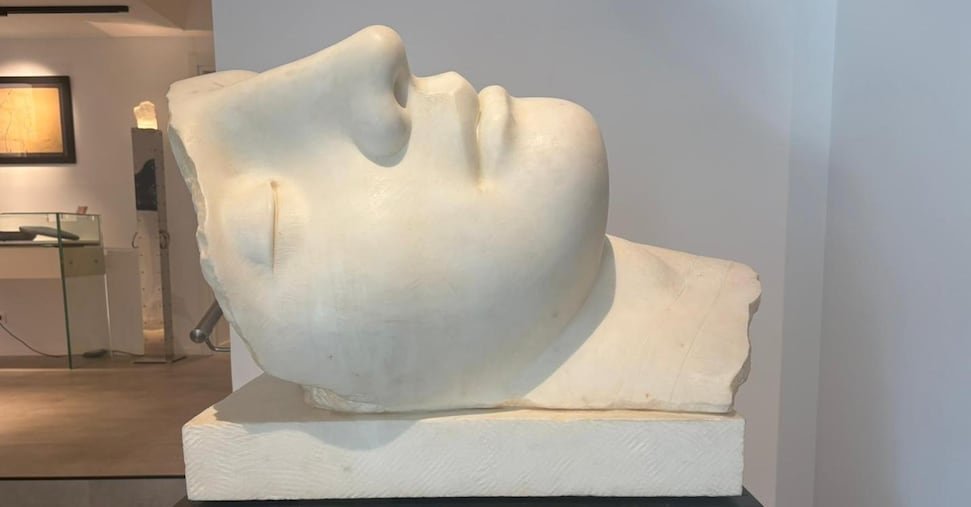
In the splendid ghetto of Rome, the Anna Marra gallery is proposing a solo exhibition by Aron Demetz, ‘Short Stories’, curated by Claudio Libero Pisano. The South Tyrolean artist, who has become famous for his wooden figures, in this exhibition leaves total space to abstract sculptures, pure narration of the cycles of nature and the passing of time, the price range is from 6 thousand to 70 thousand euro, a few steps away Erica Ravenna gives space to four artists who make up the group show curated by Benedetta Carpi De Resmini: “Materia Madre/Lingua Madre”. Works for sale range between 3 thousand and 8 thousand euro. Also in the same area is the Teldil Art gallery, still outside Gallery Weekend but the impetus of its founder, Teldil Moreira did not go unnoticed. The 41 works by Igor Mitoraj for sale between 40,000 and 750,000 euros are an out-of-the-ordinary statement in these lean times.
Beyond the Tiber
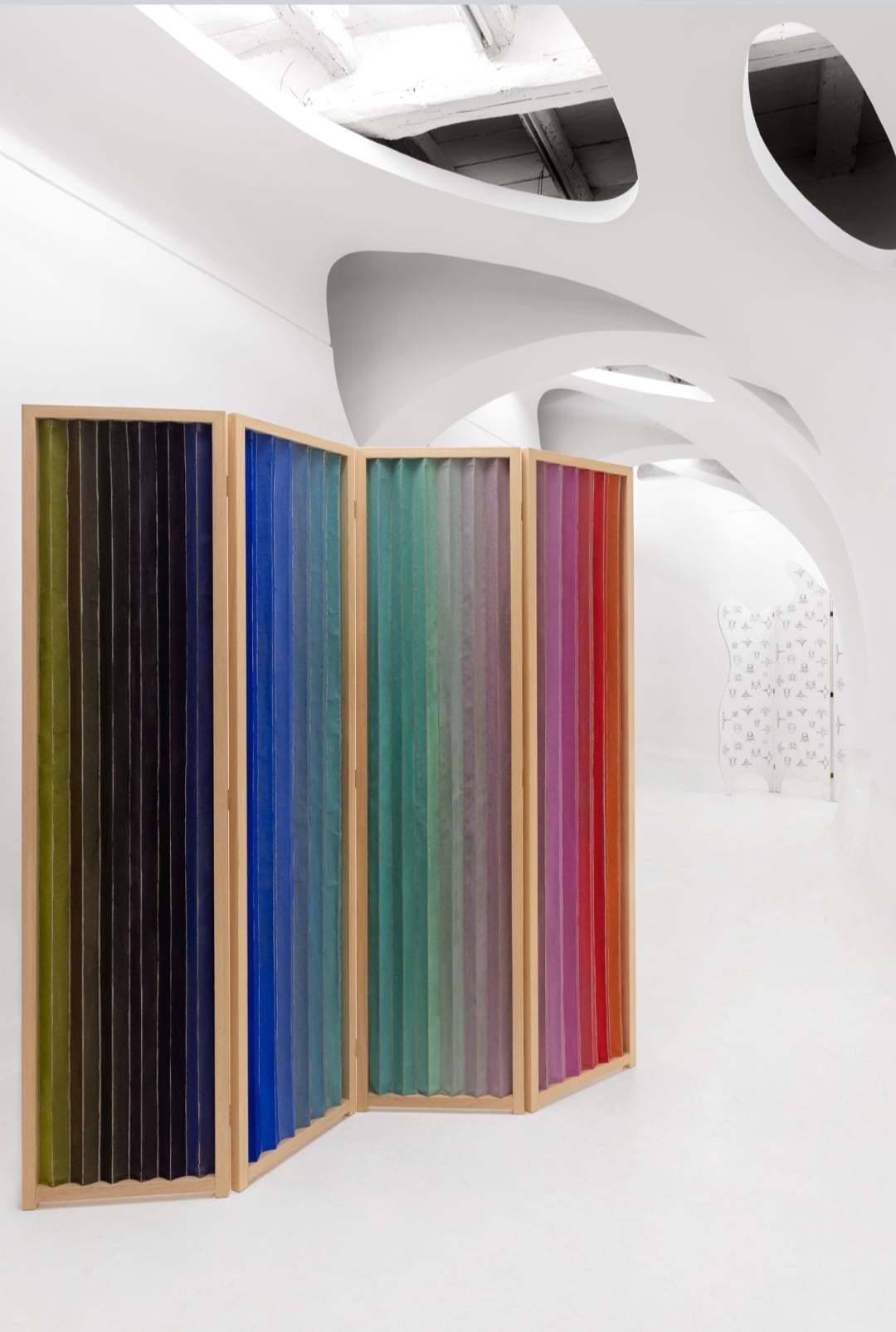
Crossing the Tiber, where there is another gallery district, one of the most surprising exhibitions is that of Ex Elettrofonica, ‘Strutture impermanenti’ in which five Italian artists Sergio Breviario, Agostino Iacurci, Elena Mazzi, Julie Polidoro and Guendalina Salini were asked to confront a medium that was new to them: the screen, an ancient and unusual object that crosses the border between art and design. Between 5,000 and 9,000 was the economic demand.
Supporting and accompanying Contemporanea were many collectors and institutions who enriched the weekend programme with dinners and presentations. The Fondazione D’ARC, the brainchild of collectors Clara and Giovanni Floridi, opened its doors on Saturday evening to host a dinner. In addition to the eclectic collection, guests were also welcomed by Aneta Grzeszykowska’s exhibition “All’improvviso”, a body of paintings based on an autobiographical reflection, curated by Giuliana Benassi, the artistic director.
[ad_2]
Source link