[ad_1]
Watches, the ‘duopoly’ masks weaknesses
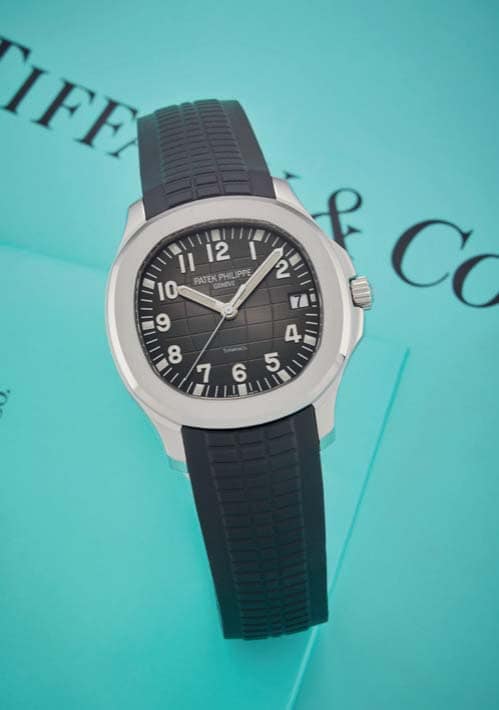
The average price level of vintage timepieces showed an overall increase of 5.1% in 2025. Again, however, the strength of the general index masks weaknesses in detail: only Rolex and Patek Philippe dominated the secondary market (Rolex Market Index +4.6%; Patek Philippe Market Index + 12.1%). The former remains the most important point of attraction when accessing the second wrist market: all models performed well, except for the Sea-Dweller and Sky-Dweller. Aquanaut and Nautilus, on the other hand, were the models that made Patek Philippe’s performance shine.
Wine, super Tuscans resist
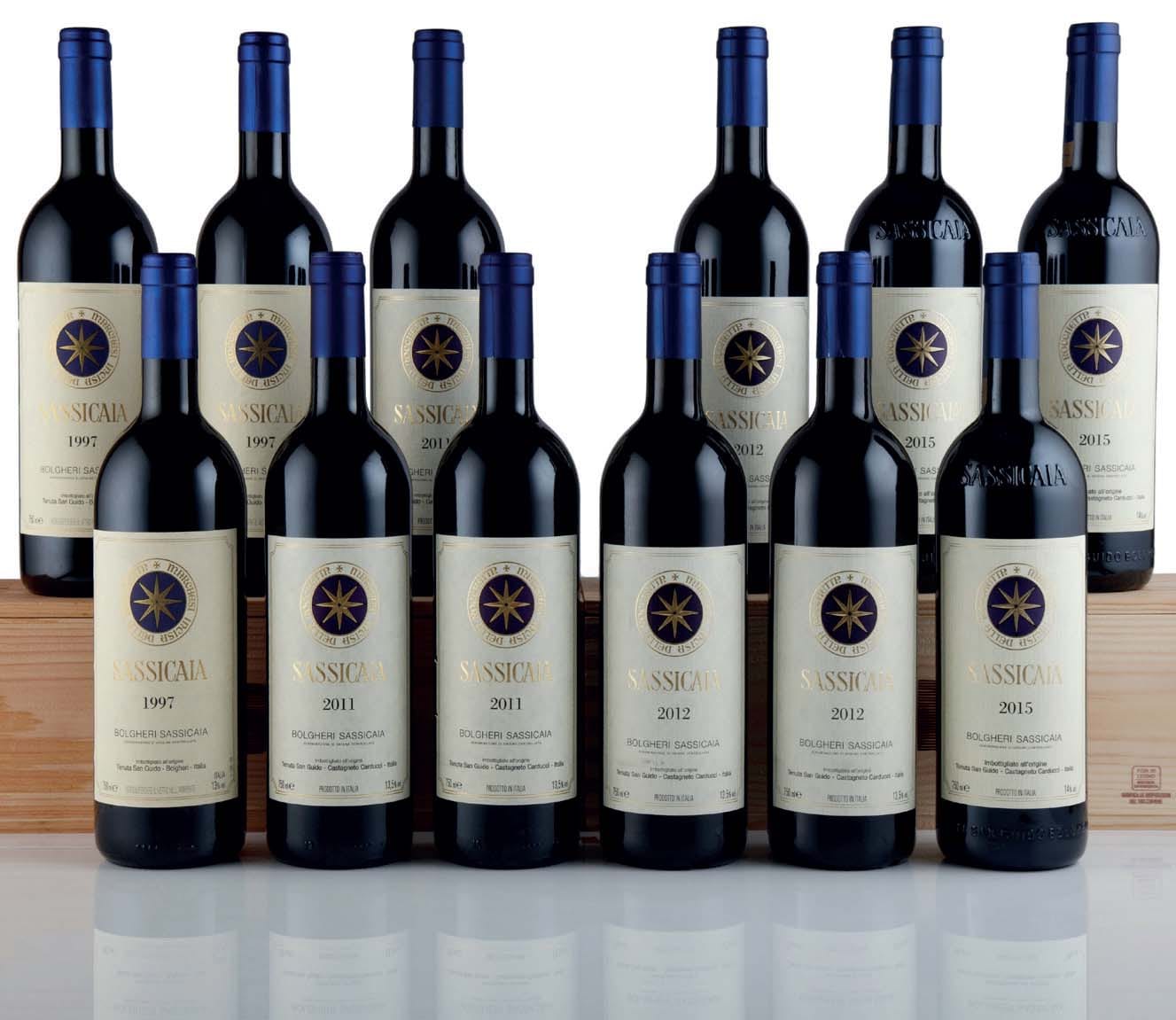
The decline in the Liv-ex Fine Wine 100 Index (-2.5%) continues on the spirits front. Since 2022, its loss in value has reached 24.7%, with hopes of recovery “frozen” by US tariffs: since April 2025, US consumer demand has halved. In this panorama, Tuscan wines hold their own, able to offer “familiarity, volume and value” at the same time. They compete with Bordeaux and Burgundy for quality, but at half the price of the latter. In spite of trade tariffs, the ‘super Tuscans’ have posted a 0.3% increase in value over the last 12 months. Value for money is driving demand in Asia, as well as in Europe: these are markets that, at least in part, do not want to give up the ‘drinking experience’ (wine must be drunk!). And something seems to be stirring at the top: buyers of ‘illiquid’ bottles, difficult to resell quickly without losing money, are returning (the report mentions Burgundy and Champagne, adding that a case of Domaine Leroy Musigny Grand Cru 2009 recently sold for $590,000).
Diamonds, colour wins over lab
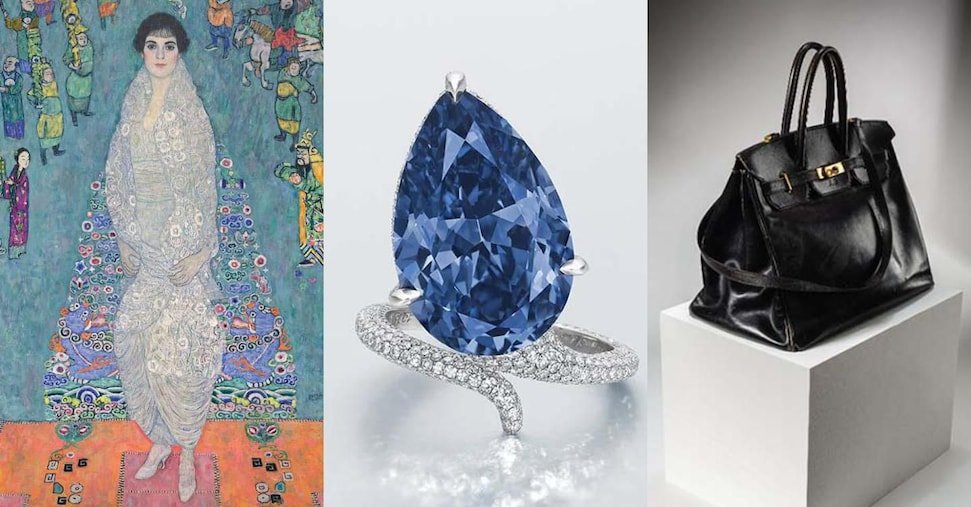
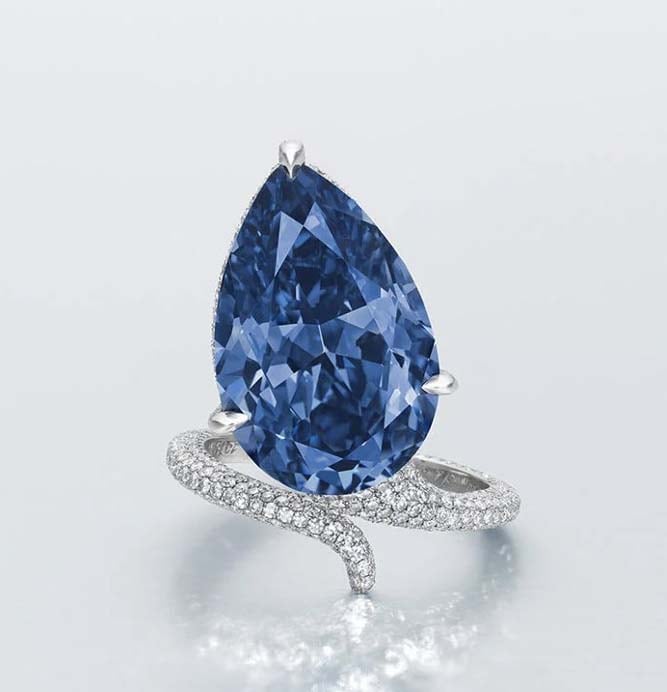
The flag of resistance in the natural diamond sector (it has to be specified now) is carried by coloured diamonds. Precious and unobtainable, they represent 0.1% of the market supply. In fact, their average value over the year fell slightly (-1%), while that of blue diamonds rose by 0.3%. Blue were also the top lots last year: from Blue Mellon (Christie’s Geneva, November; $25.6 million) to Mediterranean Blue (Sotheby’s Geneva, May; $21.5 million). It is a side effect of the spread of lab-produced white diamonds: high-end customers want true exclusivity, and fancy diamonds, rare among the rare and above all natural, can offer it.
Bags, in the sign of Jane
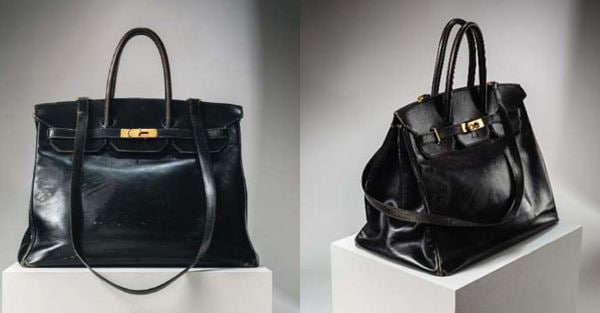
2025 was the year of a world record for a handbag: the Hermès prototype of the Birkin, the one inspired by the Anglo-French actress herself, was sold in Paris at Sotheby’s for $10.1 million. A result that reset the parameters of the vintage luxury handbag market, shifting the axis of preference for those with obvious signs of use. Knight Frank’s Wealth Report 2026 reveals that it is mainly the $6,000 to $9,000 bracket that has benefited, thanks to the interest of GenZ collectors, who prefer bags to be used and not preserved. In contrast, the ‘pristine and like-new’ $50,000 bags are selling more slowly.

A change of perspective
In general, for the wealthier segments of the world’s population, luxury appears to be increasingly detached from mere possession, to the benefit of travel, fine dining, hotels, housing. From money for objects, we are moving to money for experiences, for all five senses. But even experience alone, looking at this first half of 2026, is no longer enough for hnwi and uhnwi: we are moving towards the ‘transformation economy’, a new era in which affluent consumers will gravitate towards brands capable of activating a ‘personal improvement’ in them, whatever it may be (health, cultural, spiritual, knowledge in general). Can art and collectables not be part of this?
The increasingly obsessive search for quality, history and uniqueness would seem to offer a positive answer to this question.
[ad_2]
Source link