[ad_1]
Wenche Selmer. What Can You Live Without?
7 May – 4 October 2026
The National Museum of Art, Architecture and Design, Oslo, Norway
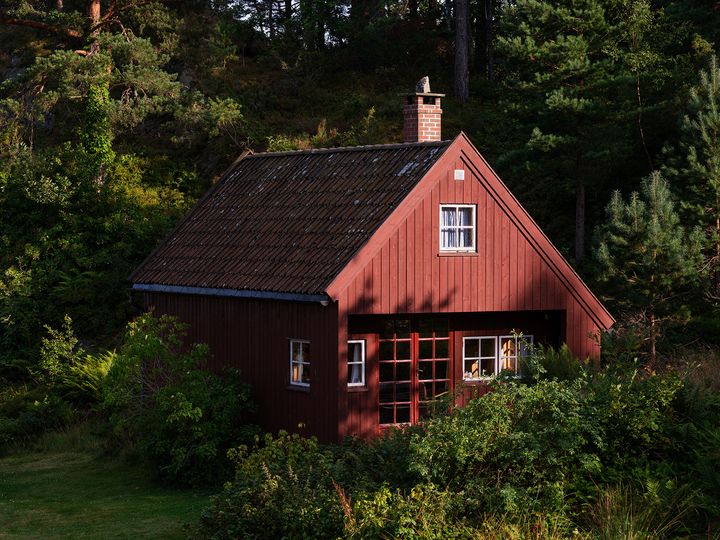
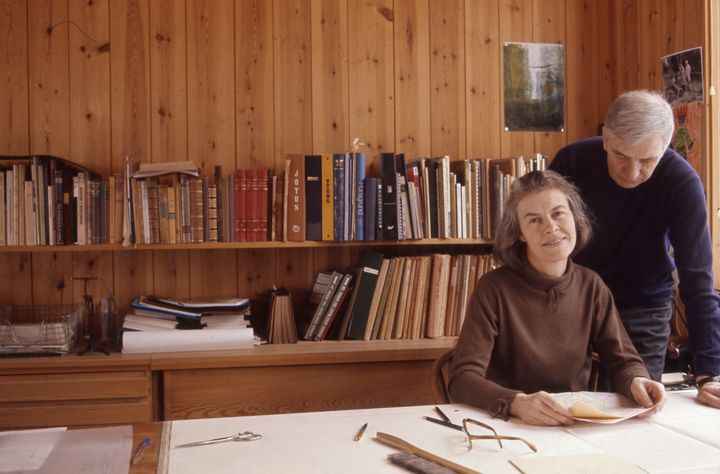
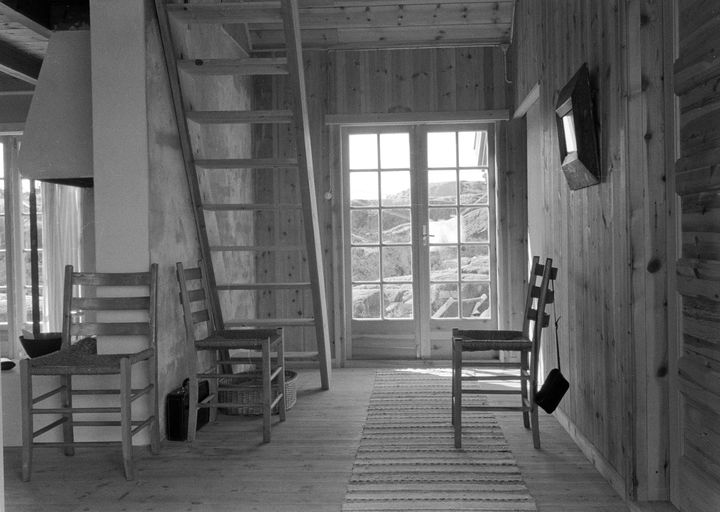
Despite her international experience, including work for various architects in Paris, it was through her Norwegian cabins and wooden houses that Wenche Selmer (1920–1998) left a lasting mark on architectural history. For Selmer, the cabin was more than a building task. It became an ideal for architecture in general, and a metaphor for a simple, good life. “What can you live without?”, she often asked her clients.
Through this exhibition, The National Museum of Norway highlights Wenche Selmer as an important Norwegian architect.
“With a restrained formal language and a clear eye for place, people, and materials, she built bridges between tradition and modernity, shaping several generations of Norwegian architecture” says museum director Ingrid Røynesdal.
Wenche Selmer worked regularly with her husband, Jens Selmer (1911–1995), widely regarded as one of Norway’s most important housing architects.
Through drawings, photographs and narratives, the exhibition presents a practice where nature, frugality, wooden house traditions and modern architecture come together. The museum has also made use of the Light Hall’s considerable size by installing a full-scale version of Selmer’s prototype Beach house cabin inside the exhibition. Visitors can enter the cabin, go upstairs, and even lie down on the bed if they wish to.
A Different Kind of Cabin
For some time, new cabin developments have been built at a rapid pace in Norway, while expectations of comfort and infrastructure have increased dramatically. Running water, electricity, modern kitchens, internet access, flat screens and car access has become the standard for many.
In this context, Wenche Selmer’s cabins stand as a counterweight. Adapting buildings to their natural surroundings and the people who would use them was central to her work. There are no garages or expansive living rooms, but always a sheltered, sun-facing wall suitable for cleaning berries and mushrooms gathered from the surrounding forest.
“What is typical of Selmer is how she achieves a rich and deeply felt architecture through meticulous work on site. The drawings and buildings may appear simple, but when experienced up close, they are not” says Joakim Skajaa, exhibition curator at the National Museum.
According to the curators, the architect’s ideals of a simple, yet rich life are just as relevant today, as many are seeking to reduce consumption and live more relaxed, less digitally connected lives.
The Architects’ Teacher
Following World War II, Norway faced an urgent need for architects to support national reconstruction. Wenche Selmer was among the initiators of a “crisis course” for architecture students affected by the war, which later became a precursor to the Oslo School of Architecture and Design. Through her many years as a lecturer at the school, Selmer became an important source of inspiration for several of Norway’s leading architects today.
The National Museum exhibition is largely based on drawings and photographs from Selmer’s archive. Much of this material has never been shown before, including handwritten manuscripts from her lectures at the architecture school.
Cabin Philosophy
The exhibition is accompanied by a varied public programme. In addition to architecture workshops for children and adults, several guided tours will be on offer, including visits to the artists’ residences near Edvard Munch’s studio at Ekely—one of Wenche and Jens Selmer’s earliest collaborations.
There will also be a lecture held by biology professor Dag O. Hessen on the cabin lives of philosophers Peter Wessel Zapffe and Arne Næss, addressing the question: What can the simple cabin teach us today about sustainability and quality of life?
A literary and architectural publication will be released, featuring contributions from, among others, author Amalie Kasin Lerstang and architects Beate Hølmebakk and Jan Olav Jensen, both students of Wenche Selmer’s.
Notes to editors
- Exhibition: Wenche Selmer. What Can You Live Without?
- Dates: 7 May – 4 October 2026
- Exhibition curators: Martin Braathen and Joakim Skajaa
- Curator for education and public programming: Gustav Elgin
- Exhibition architects: Manthey Kula
- Address: The National Museum of Art, Architecture and Design, Brynjulf Bulls plass 3, 0250 Oslo
- Opening times: Tues to Weds 10am-8pm; Thurs to Sun, 10am-5pm; Mon closed (May, Sept, Oct) or 10am-5pm (Jun-Aug)
[ad_2]
Source link